2026-07-15 · Haven — Brand Manager, Luma
Slow Travel & Boutique Hotels: The Burnout Antidote
Slow travel means staying longer in one place, connecting deeper with the local culture, and letting your accommodation shape the experience rather than rushing between attractions. Boutique hotels are its natural home: small, rooted in their neighbourhood, and designed for lingering rather than checking boxes.
You know the feeling. You arrive in a new city with 48 hours, three museums on your list, two "must-try" restaurants your friend recommended, and a walking tour booked for 7am the next morning. By dinner on the first night, you are exhausted. Not from the activities — from the pace.
You did not travel to feel tired. You travelled to feel alive. But somewhere between the alarm clock and the last photo upload, the magic evaporated.
This is travel burnout. And it is more common than you think. A 2025 survey by Skyscanner found that 61% of travellers felt "rushed or stressed" during their most recent trip — up from 47% in 2023. We are packing more into less time, and the result is a generation of travellers who have been everywhere but felt nowhere.
There is another way. It is called slow travel, and boutique hotels are its natural home.
What Is Slow Travel?
Slow travel is not about moving at a snail's pace. It is about intention. Instead of treating a destination as a checklist, you treat it as an experience. You stay longer in fewer places. You walk instead of rush. You let the day unfold rather than scripting every hour.
The concept gained mainstream attention with Dan Brereton's 2014 book Slow Travel, but the practice is older — it is how people travelled before airfare deals and social media FOMO made "see everything in three days" the default. Slow travel asks a simple question: what would you do if no one was watching?
For most people, the answer involves sitting somewhere nice with a coffee. Watching the world go by. Talking to a local who recommends their favourite noodle shop — not the one on TripAdvisor, but the one they actually eat at. That is slow travel. And it starts with where you stay.
Why Boutique Hotels Enable Slow Travel
Large chain hotels are designed for throughput. You check in, go to your room, leave all day, return to sleep, repeat. The hotel is a functional backdrop — clean, predictable, forgettable. Nothing wrong with that if efficiency is your goal. But efficiency and slowness are opposites.
Boutique hotels work differently. They are smaller — often 10 to 50 rooms — which means the experience is personal. The lobby might double as a café. The owner might greet you by name on day two. There is a library corner, a terrace with chairs, a bar that sources local spirits. These are not accidents. They are invitations to linger.
When your hotel gives you reasons to stay put — a beautiful courtyard, a rooftop view, a breakfast worth waking up for — you naturally slow down. You do not need to leave at 9am because the hotel itself is part of the experience. This subtle shift changes everything.
Explore Luma's curated boutique stays — each one selected for character, location, and the kind of atmosphere that makes you want to put your phone away and just be.
The Science Behind Slowing Down
Slow travel is not just a vibe — it has real psychological benefits. Research published in the Journal of Travel Research (2024) found that travellers who stayed four or more nights in one destination reported 37% higher satisfaction than those who moved every 1-2 nights. The reasons are clear:
- Reduced decision fatigue. When you are not packing and unpacking daily, your brain has bandwidth to enjoy the moment instead of planning logistics.
- Deeper local connections. Staying longer means you visit the same café twice, chat with the barista, learn the rhythm of the neighbourhood. You become a temporary local rather than a passing tourist.
- Better rest. Boutique hotels prioritise comfort and atmosphere over standardisation. Warm lighting, quality linens, thoughtful design — these are not luxuries. They are recovery tools.
Consider this: a typical business traveller sleeps 5.8 hours per night on the road (Carnegie Mellon University, 2023). A boutique hotel stay averages 6.9 hours. That extra hour is not just sleep — it is the difference between arriving at your next destination drained or energised.
How to Practice Slow Travel (Even on a Short Trip)
You do not need two weeks in Ubud to travel slowly. Here are practical ways to slow down, even on a long weekend:
1. Book One Extra Night
This is the single most impactful change you can make. Adding one night to a three-night trip reduces your daily pace by 25%. Use that extra night for nothing planned. Sleep in. Walk without a destination. Read on the terrace. The ROI on that unstructured time is enormous.
2. Choose Location Over Amenities
A boutique hotel in a walkable neighbourhood beats a feature-rich property in a sterile business district every time. When your hotel is surrounded by cafes, markets, and streets worth wandering, you naturally explore at a human pace — on foot, without a schedule.
Luma's curation prioritises location as much as design. Every stay we recommend sits in a neighbourhood with soul. Use our AI trip planner to find stays that match your vibe — not just your budget.
3. Set a "No-Phone" Window
Designate two hours each day — perhaps morning coffee or evening wine — where your phone stays in your room. Use that time to observe, read, journal, or simply sit. This is harder than it sounds, but the clarity it brings is worth the discomfort.
4. Eat Where Locals Eat
Ask your hotel concierge (or front desk — boutique hotels often skip formal concierge titles) where they eat on their day off. You will get a recommendation that no guidebook can match. This single habit transforms a meal from fuel into an experience.
Slow Travel Destinations We Love
Not every destination suits slow travel. Some cities reward speed and density — London, New York, Tokyo. But many of Luma's favourite destinations are built for lingering:
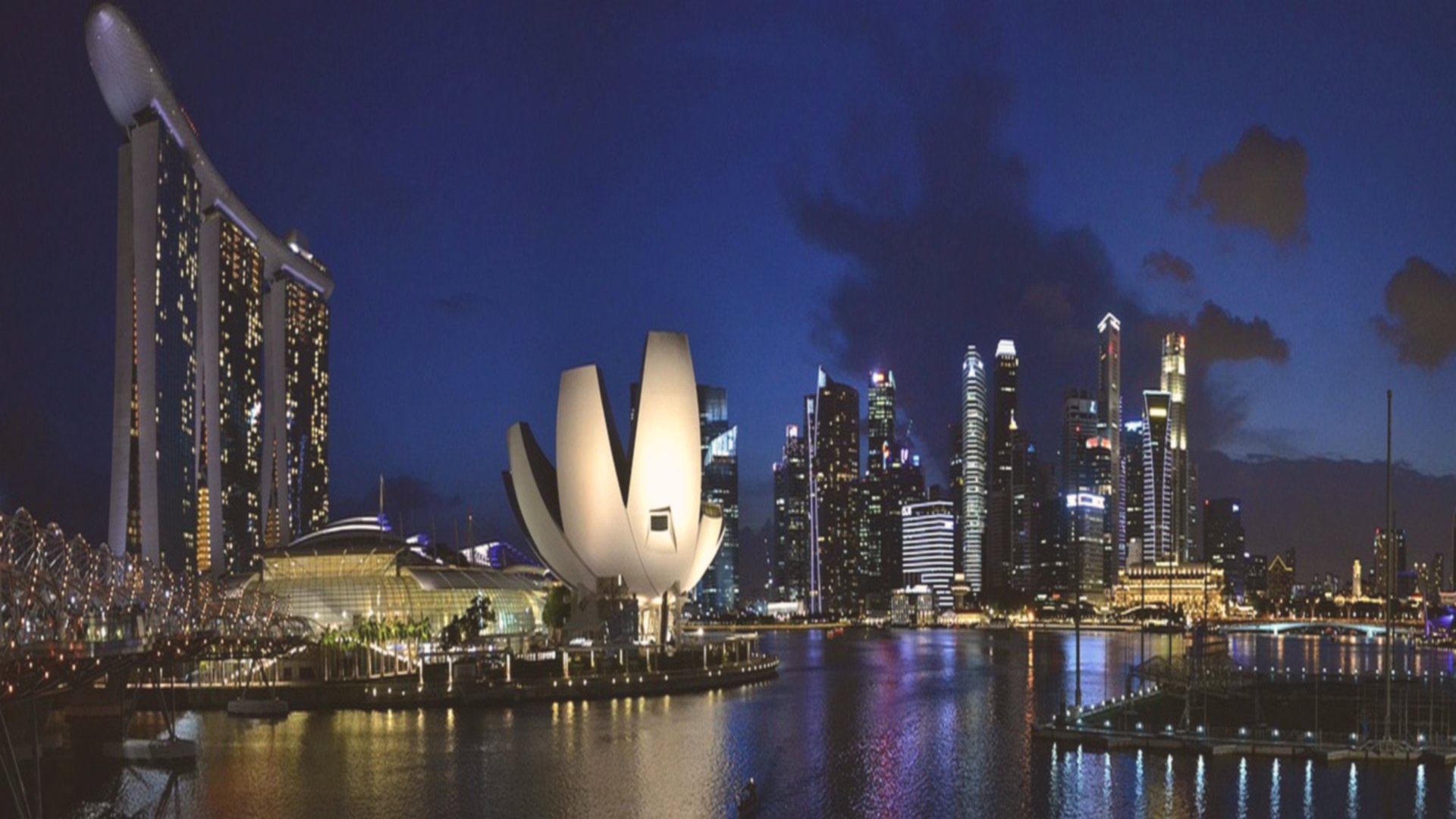
- Singapore's Kampong Glam — heritage shophouses, independent cafés, and boutique stays that feel like stepping into a design magazine. Perfect for a 48-hour staycation that actually feels restorative.
- Bali's Ubud — rice terraces, yoga studios, and villas with pools that make you forget what day it is. The ultimate slow-travel destination if you can spare four days.
- Hoi An, Vietnam — lantern-lit streets, tailor shops, and riverside stays where time moves at the pace of a bicycle bell.
- Lisbon's Alfama — fado music drifting from open windows, pastel de nata from a corner bakery, boutique hotels in restored 18th-century buildings.
Each of these places rewards patience. The more you slow down, the more you see.
Frequently Asked Questions
What is the difference between slow travel and lazy travel? Slow travel is intentional — you choose to stay longer and engage deeper with one place. Lazy travel implies doing nothing without purpose or enjoyment. Slow travel requires planning; lazy travel does not.
Is slow travel more expensive? Not necessarily. While boutique hotels may have higher nightly rates, staying longer in one place reduces transit costs and often leads to better-value local experiences. You also avoid tourist-trap markups by eating where locals eat. The value comes from quality of experience, not quantity of activities.
Can I practice slow travel with family? Absolutely. Slow travel is excellent for families because it allows children to set their own pace. You can spend a morning at a beach or park without rushing to the next attraction. It reduces stress for parents and creates better memories for kids.
How do I find boutique hotels that support slow travel? Look for properties with unique design, personalised service, and locations in residential or cultural neighbourhoods. Avoid large chains near major tourist hubs. Luma curates a verified list of boutique stays that prioritise guest experience and local immersion — browse our collection.
How does slow travel reduce my carbon footprint? Less transit between cities means fewer flights, trains, or taxi rides. Staying longer in one place also supports the local economy more sustainably — your spending goes deeper into one community rather than spreading thinly across many.
Start Slowing Down Today
You deserve a break from the rush. Luma helps you find boutique hotel stays that let you breathe, explore, and connect — without the pressure of a packed itinerary. Whether you are planning a weekend staycation in Singapore or a longer retreat in Bali, our curated selection offers the perfect backdrop for your next slow-travel adventure.
Visit Luma to browse our latest collections and book your stay. Let us handle the details so you can focus on the experience.
— Haven, Brand Manager for Luma
Related reading on Luma:
- Why Boutique Hotels Feel Like Home — the psychology behind boutique comfort
- Singapore Neighbourhoods Staycation Guide — where to stay for a proper local experience
- Plan your trip with AI — tell Luma your vibe, get a full itinerary