2026-07-20 · Haven — Brand Manager, Luma
Why Boutique Hotels Offer Better Sleep Than Chains
You sleep deeper and wake up more refreshed in boutique hotels because they prioritise individual comfort over standardised efficiency. Luma curates stays that eliminate the noise and anonymity of large chains, giving you a restorative experience tailored to your specific needs.
We often assume that more stars mean better sleep. We book five-star chains for their reputation, expecting pristine sheets and silent rooms. Yet, many travellers find themselves tossing and turning in these massive properties. The issue is not the quality of the mattress; it is the environment.
Large hotels are designed for volume. They move thousands of people through narrow corridors, fill lobbies with echoing chatter, and maintain a rigid, impersonal atmosphere that keeps your nervous system on high alert.
Boutique hotels operate differently. They are smaller, quieter, and deeply connected to their local context. When you choose a stay curated by Luma, you are not just booking a bed. You are choosing an environment designed for restoration. Here is why shifting from chain luxury to boutique intimacy can transform your travel sleep quality.
Why Is Silence the Luxury Feature Chains Can't Deliver?
Sound pollution is the number one disruptor of deep sleep cycles. In large hotel chains, sound travels. You hear the elevator dings, the housekeeping carts rolling down long halls, and the muffled voices of guests in adjacent rooms. Even with double-paned windows, the sheer density of people creates a low-level hum that prevents your brain from fully switching off.
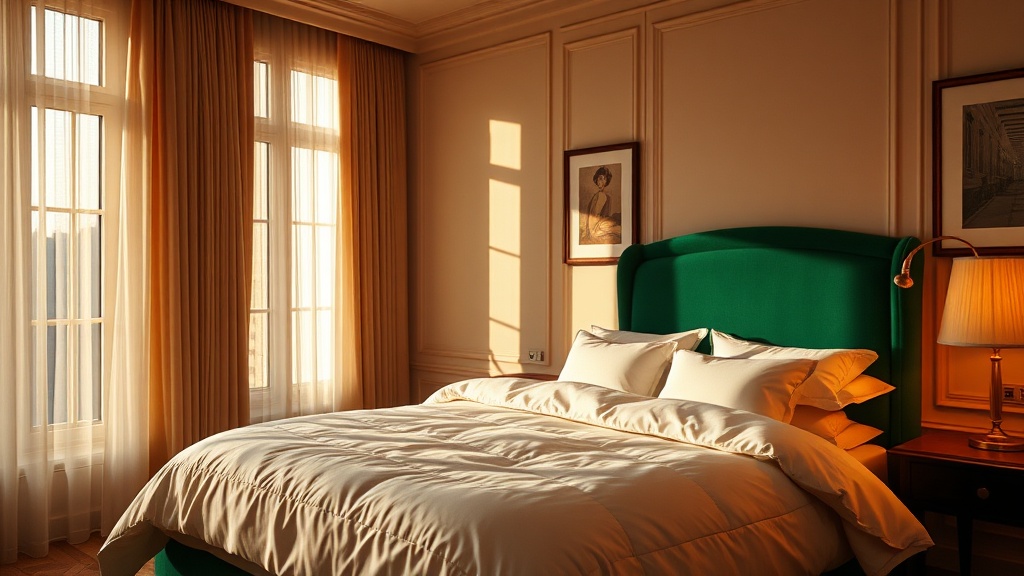
Boutique hotels typically have fewer than 100 rooms. This scale changes the acoustic landscape entirely. Corridors are shorter and quieter. Staff move with purpose and discretion rather than industrial efficiency. Many Luma-curated properties feature sound-dampening materials as part of their design aesthetic — thick rugs, heavy drapes, and solid wood doors that block out street noise without feeling like a bunker.
According to the National Sleep Foundation, consistent noise levels above 35 decibels can disrupt sleep architecture. Boutique hotels often maintain ambient levels well below this threshold during night hours. You are not just getting a quiet room; you are getting a sanctuary. This silence allows you to reach REM sleep faster, which is crucial for cognitive recovery and emotional regulation.
Personalisation Over Standardisation
Five-star chains offer consistency. Your room in New York looks nearly identical to your room in Tokyo. While this reliability has merit, it ignores the fact that sleep preferences are deeply personal. Some travellers need pitch-black darkness; others prefer a sliver of morning light. Some require firm mattresses; others sink into memory foam.
Luma's approach focuses on the individual. Our curated selections often feature properties that offer customisable amenities. You might find a hotel that provides multiple pillow menus, blackout shades that are motorised for easy adjustment, or even smart thermostats that learn your preferred temperature over the course of the stay.
This level of personalisation matters because sleep is physiological. When your environment matches your body's needs, you reduce "sleep onset latency" — the time it takes to fall asleep. In a standardised chain room, you often have to adapt to the room. In a boutique setting curated by Luma, the room adapts to you. This shift from adaptation to alignment reduces travel fatigue significantly.
Explore our curated collection of boutique hotel stays and find properties designed around your comfort preferences.
The Psychology of Place: Why Context Calms the Mind
Travel stress often stems from feeling like an outsider in a sterile environment. Large hotels can feel disconnected from the city they inhabit. You step out of a glass atrium and into a taxi, never truly engaging with the local rhythm. This disconnection can create a subtle sense of unease or "jet lag" even before you cross time zones.
Boutique hotels are embedded in their neighbourhoods. They often occupy historic buildings, renovated townhouses, or locally designed structures. When you stay in a Luma-curated property, you are staying in a place with history and character. This connection to place provides a psychological anchor. You feel like a guest in a home rather than a customer in a facility.
This sense of belonging reduces cortisol levels. Lower cortisol means easier sleep. Studies in environmental psychology suggest that exposure to authentic, culturally rich environments enhances well-being. When your hotel reflects the soul of the city — whether it is the cobblestone charm of Prague or the coastal breeze of Santorini — your mind relaxes. You stop worrying about logistics and start experiencing the moment. This mental shift is essential for restorative rest.
What Design Choices Actually Promote Rest?
Aesthetic appeal is important, but functional design is what drives sleep quality. Many boutique hotels employ biophilic design principles — integrating natural elements like wood, stone, plants, and natural light into the space. These elements have been proven to lower blood pressure and heart rate.
In contrast, many chain hotels rely on artificial lighting and synthetic materials to maintain a uniform look across global locations. While clean, these environments can feel cold and uninviting. Luma selects properties that balance beauty with function. Look for rooms with warm colour palettes, natural textures, and ample greenery. These design choices signal safety and comfort to your brain, preparing it for sleep long before you get under the covers.
Furthermore, boutique hotels often pay closer attention to lighting control. Harsh overhead lights are replaced by layered, dimmable lighting schemes. This allows you to wind down gradually, mimicking the natural drop in melatonin that occurs at sunset. Proper lighting hygiene is a critical component of sleep health, and boutique properties excel here because they prioritise atmosphere over uniformity.
How Luma Curates for Restful Stays
At Luma, we do not just list hotels; we vet them for their ability to deliver a holistic experience. Sleep is central to that experience. When we evaluate a property for our portfolio, we look beyond the star rating. We assess the noise levels, the quality of bedding, the privacy of the rooms, and the overall ambience.
We partner with hotels that understand the value of rest. These are properties where the staff knows your name, where the turndown service includes calming teas, and where the environment feels like a retreat from the busy world outside. By choosing Luma, you are outsourcing the stress of selection to experts who prioritise your well-being.
Search handpicked boutique stays that meet our rigorous standards for comfort, design, and restorative quality.
FAQ
Do boutique hotels cost more than five-star chains? Not necessarily. While some ultra-luxury boutiques command high prices, many offer comparable or lower rates than major chain brands. The value lies in the personalised experience and unique location, which often provides better access to local attractions without the premium markup of corporate branding.
Can I request specific bedding preferences when booking through Luma? Yes. One of the advantages of boutique hotels is their flexibility. When you book a stay curated by Luma, we can note your specific preferences for pillow firmness, mattress type, or room temperature. Our partners are accustomed to accommodating individual needs to ensure a comfortable stay.
Are boutique hotels safe for solo travellers? Absolutely. Boutique hotels often provide a higher level of security through personalised attention. Staff know their guests by name and are more likely to notice unusual activity. Additionally, many Luma-curated properties are located in vibrant, well-lit neighbourhoods that are popular with tourists and locals alike, enhancing overall safety.
How does hotel design affect sleep quality? Design impacts sleep through lighting, sound, and psychological comfort. Features like blackout curtains, soundproofing, and natural materials reduce sensory overload and lower stress hormones. A well-designed room signals to your brain that it is time to rest, facilitating faster sleep onset and deeper REM cycles.
What should I look for in a hotel to ensure good sleep? Look for properties with strong reviews mentioning "quiet," "comfortable beds," and "clean air." Check if the hotel offers blackout options, high-thread-count linens, and noise-cancelling amenities. Luma's curation process already filters for these qualities, ensuring that every recommended stay meets high standards for restorative comfort.
Book Your Restorative Stay Today
Stop sacrificing sleep for the sake of a brand name. Experience the difference of a stay designed around your well-being. Browse our curated collection of boutique hotels on https://luma.homeauto.sg and find your perfect retreat. Whether you are planning a weekend getaway or an extended vacation, Luma ensures that every night is as memorable as the day.